Out of sight of the Dutch media, Trump and Xi are deciding who will control two-thirds of Rotterdam's container terminals. Will an American-European consortium gain control, or a Chinese state-owned company? Europe and the Netherlands are quietly watching as the two superpowers decide on this crucial gateway to Europe. Not everyone is comfortable with this. "You don't want other countries to be able to frustrate your imports and exports.'
Update January 30, 2026: Following the publication of this article, a possible legislative change has been announced and there have been new developments in the takeover battle. Read more here here.
In this story, you will read about:
- How Rotterdam's container transshipment is being drawn into a conflict over the Panama Canal
- How important container terminals are for the Netherlands
- What the consequences could be if the terminals fall into the hands of a Chinese state-owned company
- How Europe is ignoring this geopolitical struggle and is primarily concerned that a European company is becoming too powerful on the continent
- What Europe and the Netherlands can—and are willing—to do in this matter
I haven't heard anything about this. What's going on?
Like so many stories these days, this one begins with an obsession of Donald Trump. He not only wants Greenland, but also the Panama Canal. In his inauguration speech last January, he said that the Chinese now control it and that he wants it back. The owner of two important ports on the canal is indeed CK Hutchison from Hong Kong, the Chinese region that is increasingly losing its special status and falling under the control of the Communist Party.
CK Hutchison is a conglomerate that owns container terminals and retail chains, including Kruidvat. They didn't want any hassle, so after Trump took office, they decided to sell their ports at breakneck speed. In March last year, the company announced that it would sell all 45 of its ports and (container) terminals for $22.8 billion (almost €20 billion) to the American investor BlackRock and port operator MSC, a Swiss-Italian family business.
Why is this important for Rotterdam?
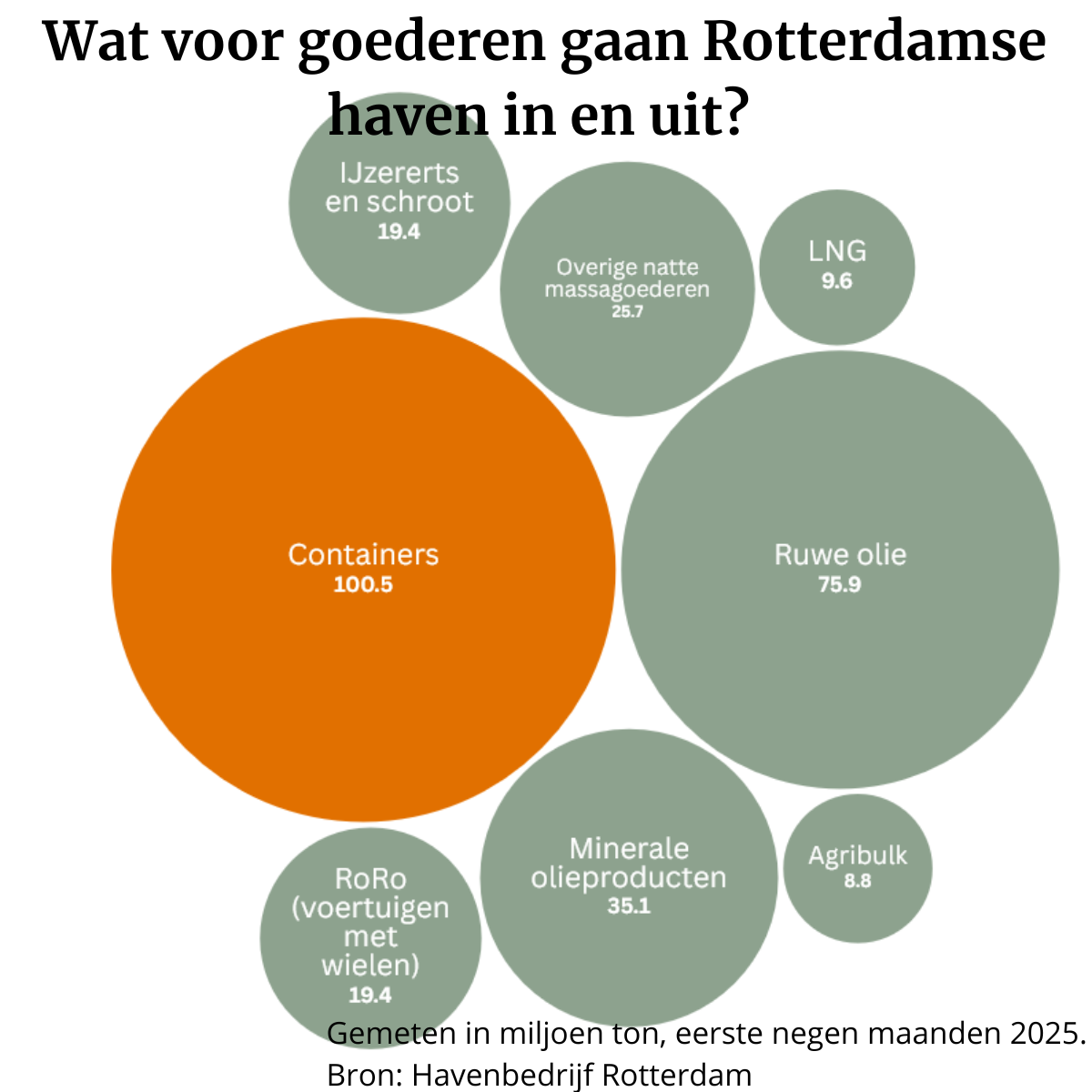
Numerous goods and raw materials enter the Netherlands via the port of Rotterdam, ranging from containers to liquefied natural gas (LNG), cars, and oil. In terms of weight, containers are the most important source of trade. In the first nine months of last year, they accounted for 101 million tons of the 320 million tons of goods.
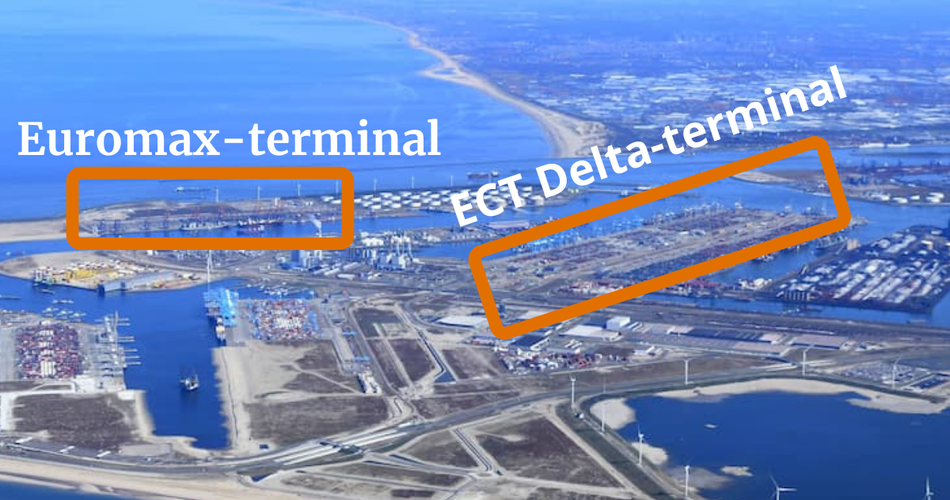
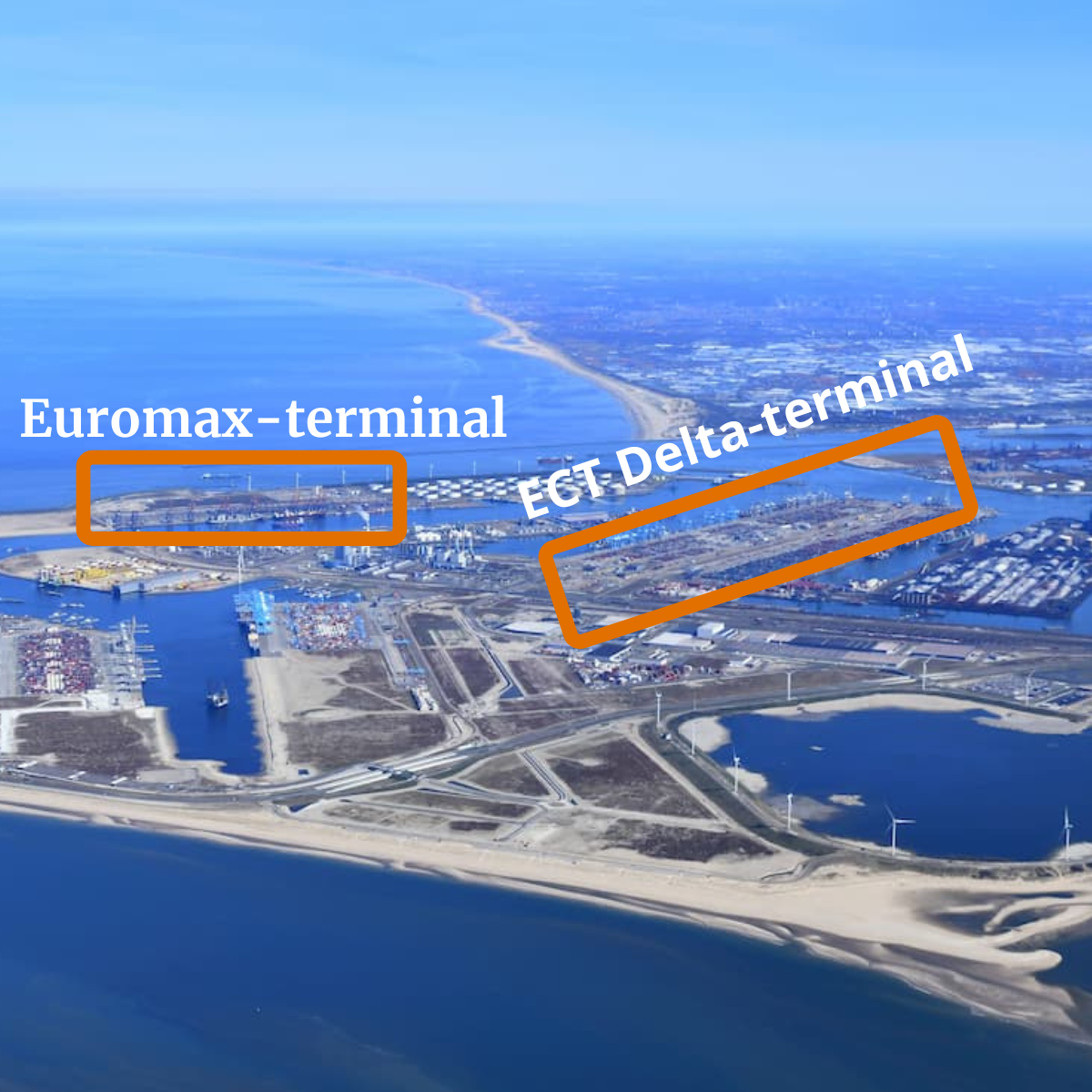
CK Hutchison operates in Rotterdam primarily under the name ECT Rotterdam. It has the Euromax and ECT Delta container terminals in the port of Rotterdam. These terminals can handle the largest container ships in the world. Together, CK Hutchison's deep-sea terminals can process 9 million containers per year, out of a total capacity of 14 million containers in the port, according to the Port of Rotterdam Authority in response to questions from Hollands Welvaren. This gives CK Hutchison a market share of almost two-thirds. In 2024, these two deep-sea terminals will generate €589 million in turnover, according to figures filed with the Chamber of Commerce.
This article is for paid members only
To continue reading this article, upgrade your account to get full access.
Subscribe NowAlready have an account? Sign In